Visit our Website for more content: www.mmmrmag.com

Tuesday, January 3, 2023

Intersex: Pot and People

Hermaphrodite, as a term for people who have both sex organs, is now considered a slur and is being replaced by the term intersex. No intersex people have both sets of fully functioning sex organs. In that understanding, the old term is both outdated and ignorant.

About 1.7 percent of people are born intersex and about 1 in 2,000 babies are born with genital differences that a doctor might suggest changing with unnecessary surgery. Intersex is an umbrella term for differences in sex traits or reproductive anatomy. Intersex people are born with these differences or develop them in childhood. There are many possible differences in genitalia, hormones, internal anatomy or chromosomes, compared to the usual two ways that human bodies develop. Other animals and cannabis plants form both functioning sex organs, and with pot, “hermies” are often weeded out as undesirable plants. In this issue of The Marijuana Report, we examine new ways to understand intersex pot plants and people as our perception evolves.

Two-Spirit people among Indigenous peoples include males, females and intersex. Special roles were adopted by Two-Spirit people in Native cultures. In the modern LGBTQIA (the I stands for intersex) community, intersex people have been included as their own unique community that, just as with Native peoples, does not mean being trans, gay or queer, per se. Intersex advocates are pushing back on social and medical professionals who tend to steer parents of intersex children toward surgeries when they are young. Many intersex adults who received surgeries report physical and emotional trauma.

The intersex flag, created in 2013 by Morgan Carpenter of Intersex Human Rights Australia


interACT, formerly known as Advocates for Informed Choice (AIC), spread awareness of the legal questions surrounding children with intersex traits and advocacy on behalf of these children through various outreach and educational services. Following, we use the messages from one of interACT’s brochures, which can be found on their website: www.interactadvocates.org.

Most marijuana growers panic at any sign of intersex pot plants. Modern growers clone from a female mother plant to guarantee all the plants are female. No male plants are allowed because the pollen from a male plant causes the buds of the female to seed, which lowers the THC potency and decreases the value of the crop. Stress and genetic factors during cultivation can cause a pot plant to produce male and female flowers as the plant matures. Growers carefully inspect their plants for “bananas,” un-blossomed pollen sacks that can form within buds or at nodes on the plant. When the flower opens and releases, it turns yellow.

Pot plants that self-pollinate produce feminized seeds. Many people like feminized seeds because they can grow a batch of plants to maturity directly from seed. Using feminized seeds bypasses the time it takes to fully veg out a female, then cut clones and start the vegetative process all over again. This can save months in the cultivation process.


Another reason cannabis breeders like to use the pollen of intersex pot plants is that by inbreeding the strain, certain qualities associated with that plant’s phenotype can be stabilized. First generation cross (also known as F1 cross) breed strains will have a diversity in each seed. More advanced growers tend to like F1 crosses, and the process of selection that comes with them. Seed producers and cannabis genetic companies are paid a premium for feminized seeds. The careful collection of pollen and pollination of intersex plants can put you on the map by distributing those feminized seeds that produce unique effects, as well as a flavor and aroma that can be attached to a new strain name.`

Intersex plants and people are a natural phenomenon. The universe made a third gender for a reason. Parents and cultivators need to see that value and be cautious before destroying the uniqueness of intersex beings and creatures.


Sunday, January 1, 2023

Medical Marijuana on Docket at Georgia’s Court of Appeals

Georgia’s medicinal marijuana licensing process is under scrutiny, as a group of five medical marijuana companies filed a lawsuit claiming unfair practices when choosing which companies would be approved.

The lawsuit, filed in Fulton County Superior Court, claims the Georgia Access to Medical Cannabis Commission (GMCC) used backdoor deals and had conflicts of interest when issuing the licenses. According to documents, the five companies filing claim Florida-based Trulieve Cannabis, a multistate company, and Georgia-based Botanical Sciences received preferential treatment.


They went on to claim that winning bids were kept secret from losing bidders and redacted much that was released.

These are not the first to question the Georgia process, as several other companies who lost bids have also filed lawsuits.

Since its launch, the state’s medical marijuana industry has been in a holding pattern because lawmakers have been unable to pass a bill of implementation.

However, low-THC cannabis oil is permitted for registered MMJ patients in Georgia who have one of their qualifying conditions.

Parents Can Smoke Pot, Michigan Court of Appeals Says

In a recent published opinion, the Michigan COA reversed a lower court’s decision to prohibit a mother’s parenting time with her son until she passed three consecutive drug tests for THC. Rachel Nichole Ott had her son taken by DHHS after she entered a plea of admission to the allegation that she provided unstable housing for her child. During the hearing, the respondent asserted that she had a medical marijuana card, and her attorney contended that the respondent’s parenting time could not be linked to whether she used marijuana unless it was demonstrated that the marijuana use created a risk of harm to the child. The trial court ordered continued random drug testing.

The Court of Appeals disagreed, stating, “. . . for purposes of the MMMA and the MRTMA, respondent’s use of marijuana did not justify the denial of her parenting time with LO unless the court determined that she did not act in accordance with the MMMA or the MRTMA, or unless the court determined that as a result of her marijuana use, it created an unreasonable danger to LO that was clearly articulated and substantiated. MCL 333.26424(d); MCL 333.27955(3). This analysis was not undertaken in the lower court. In light of our rulings, we hold that it is necessary to reverse and remand the case for compliance with MCL 712A.13a(13), MCL 712A.18(1)(p), MCL 333.26424(d), and MCL 333.27955(3).”

Connecticut Goes Rec!


On January 10, Connecticut will be opening doors to their first licensed retail recreational marijuana dispensaries.

Serving customers twenty-one and over, the state is already seeing a boom with approximately forty percent of the current licensed medicinal marijuana dispensaries expanding to this new market, with those numbers expected to rise even further as the year progresses.


To help meet the expected demand for the product, the state will initially limit sales to a quarter of an ounce (or its equivalent) per transaction. Connecticut’s marijuana regulation agency will be monitoring the sales closely and will continue to adjust the quantity once they get a better understanding of the need.

With dozens of dispensaries expected to open throughout the year, along with more than a hundred related retailers in process of opening, so far fifty of Connecticut’s cities and towns have opted out by issuing a prohibition or moratorium on cannabis establishments.

Green Culture of Flint Shut Down for Hemp Sales?

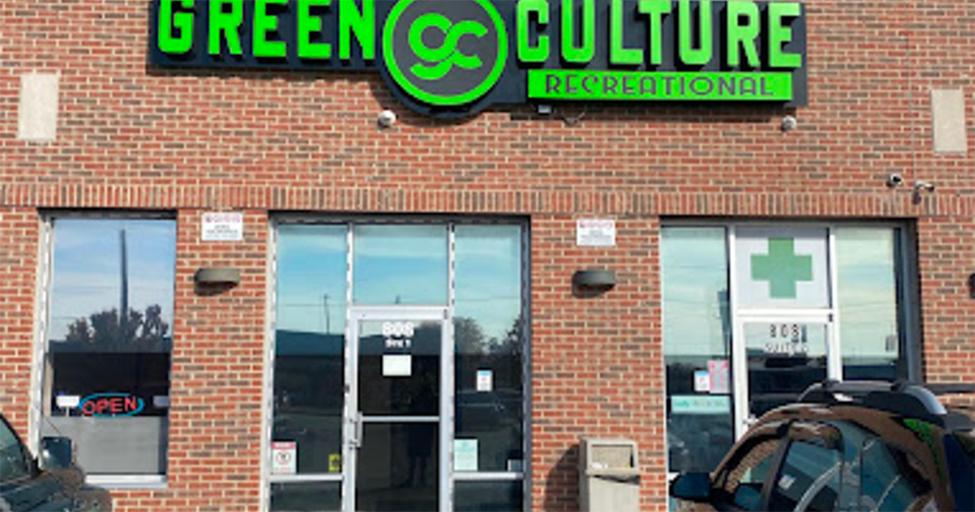
 JARS Cannabis was in the process of buying out former owner and manager of Green Culture, Pat Kanouno, when Flint’s busiest dispensary was shut down by the CRA last November. The dispensary lawyer Josh Hovey says it’s “for reasons that included allegedly selling industrial hemp that was over the legal THC limit and issues related to incorrectly tagged cannabis products.”

This issue was exacerbated by the CRA’s interest in banning deli-style cannabis flower sales, as reviewed as a topic last June in a public forum meeting by the regulatory agency. Members of the cannabis community came out hard against the idea. Green Culture was well known for bulk flower sales done in this fashion, as well as providing excellent service to veterans and people with disabilities.

New Mexico Expands Eligibility

Each state that has legalized cannabis for medical purposes has created a list of qualifying conditions. Some states are more liberal in acceptable conditions than others, and mental health conditions are not always included.

Having been the first state to add PTSD as a qualifying condition, New Mexico has recently expanded their qualifying conditions to include even more anxiety-induced mental health conditions.

The New Mexico Medical Cannabis Advisory Board approved this measure after citing over 456,000 New Mexico residents suffer from some sort of anxiety disorder.


While this ruling goes into effect the first of this year, they ensure that it covers all anxiety diagnoses including:

  • Generalized anxiety disorder
  • Social anxiety disorder
  • Medication-induced anxiety disorder
  • Panic disorder
  • Some phobias

While this opens the door to many more patients, New Mexico also hopes this move will boost cannabis sales even more.

Germany’s Path to Legalize Recreational Cannabis

In October 2022, Germany set out to be one of the first European countries to legalize cannabis. This would allow adults to acquire 20 to 30 grams of cannabis for recreational use.

Germany plans to present its proposal to the European Commission and will create a law once it receives approval. This would include allowing a limited capacity of private self-cultivation. In an effort to legalize cannabis, the German government will create an education program to teach people about abuse prevention, provide general cannabis-related knowledge, and implement a consumption tax. Legalization is expected to generate $4.7 billion and create 27,000 new jobs.

To implement the legalization, there are a lot of questions and concerns that need to be addressed before authorization. A major roadblock for Germany is space to grow enough cannabis to meet consumer demand. This would require Germany to allow international sales to official businesses, in order to put the black market cannabis out of business. German officials have contemplated having outside countries go through a lengthy certification process to be allowed to grow and distribute their products in Germany.

This proposal has not been accepted by all of Germany’s federal states. Bavaria’s Health Minister has openly voiced his concerns about not allowing Germany to become a drug destination for tourists in Europe. Others believe Germany and other EU countries should band together to create cannabis policies and laws that could be incorporated internationally. Germany will continue to be meticulous in its proposal to legalize cannabis, which will be transparent as it outlines its laws and regulations.


Sources:

https://www.reuters.com/world/europe/germany-legalize-cannabis-use-recreational-purposes-2022-10-26/

https://www.cnbc.com/2022/10/26/germany-to-legalize-cannabis-use-for-recreational-purposes.html

https://www.politico.com/news/2022/11/25/germany-europe-weed-legalization-00070469